Category
Space Planning
Interior Design
Published on
Written by
Nora Bennett
Share this article
Designing built-in storage without visual weight
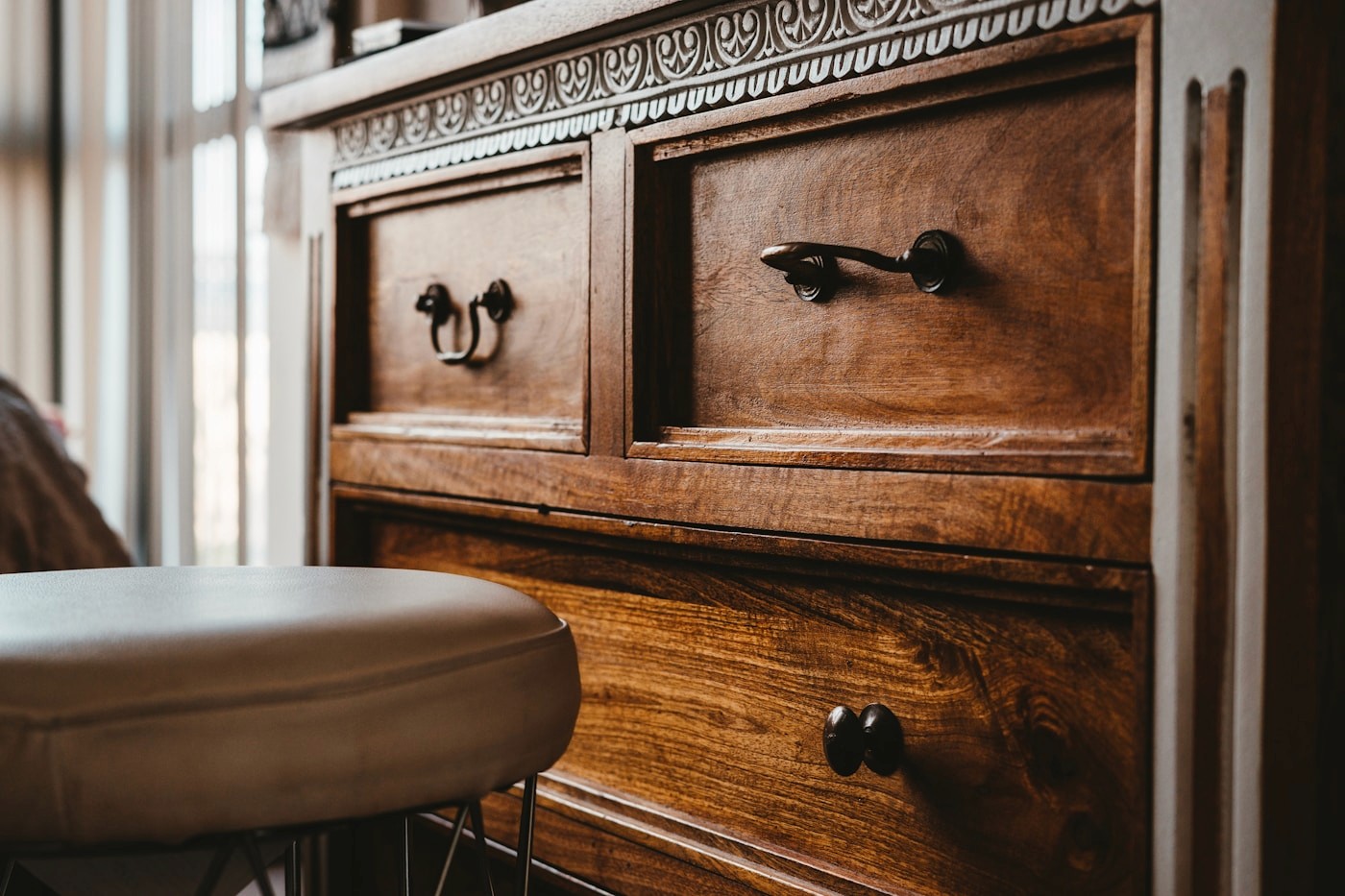
Built-ins can disappear into architecture or become quiet focal points when proportions, handles, shadow gaps, and materials are resolved together.
Storage as architecture
Built-in storage is most successful when it belongs to the room rather than sitting inside it as furniture. Full-height panels, consistent reveals, and restrained hardware help storage read as part of the architecture.
Not every cabinet needs to vanish. Sometimes a darker timber volume or open niche gives the room structure and warmth.
Reduce the number of decisions
Repeated dimensions, aligned edges, and a limited material palette make storage feel calm. The more consistent the system, the less visual weight it carries.
The quiet discipline of built-ins
Storage becomes elegant when it stops asking to be noticed. Alignment, rhythm, shadow gaps, and repeated proportions are what make a wall of cabinetry feel architectural rather than heavy.
Small moves with large impact
Align cabinet breaks with doors, beams, or window edges
Use handle details that match the level of visual calm
Give open niches a clear purpose
Keep material changes intentional and rare
Concealment is not the only answer
Some objects deserve to remain visible. A good built-in system edits the room, but it should still leave space for life to show through.


