Category
Architecture
Interior Design
Published on
Written by
Clara Whitman
Share this article
How light shapes the feeling of a home

A practical look at how daylight, shadow, and orientation influence comfort, rhythm, and the emotional tone of residential spaces.
Light as a design material
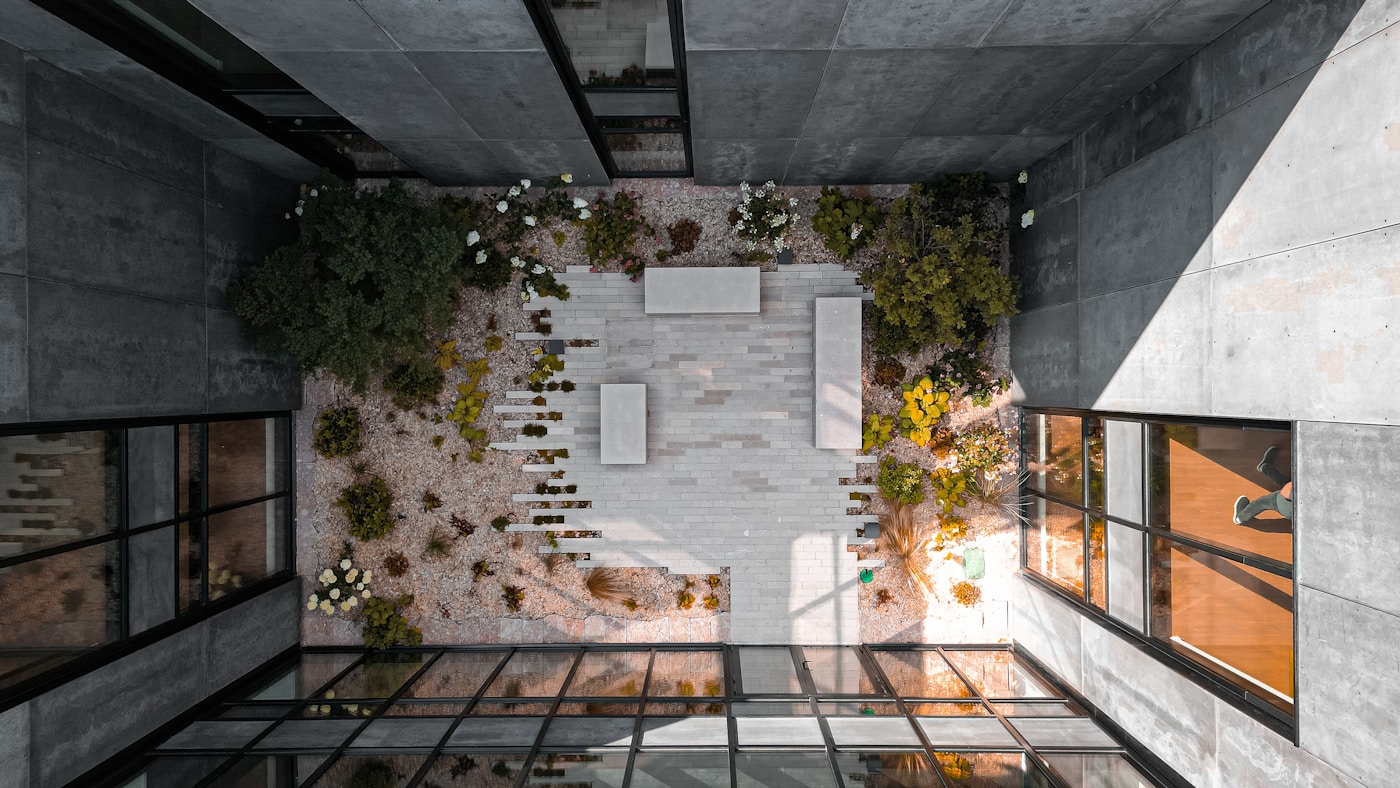
Light is often treated as something added after the plan is resolved, but in the strongest homes it is part of the architecture from the beginning. Window placement, room depth, wall color, and surface texture all decide how a space feels throughout the day.
Soft indirect light can make compact rooms feel generous, while controlled contrast can give larger rooms a sense of intimacy. The goal is not simply brightness, but rhythm.
Planning with the day
Morning rooms, evening rooms, shaded transitions, and bright gathering areas can work together as a sequence. When light is planned carefully, the house starts to feel calm without becoming flat.
What daylight changes first
Before it changes the look of a room, light changes the way the room is used. A breakfast corner asks for a different quality of brightness than a reading wall, a stair landing, or a quiet bedroom threshold.
Three useful questions
Where does the room need energy in the morning?
Which surfaces should catch light rather than reflect glare?
Where should shadow create rest, privacy, or pause?
A softer kind of precision
The most memorable interiors rarely feel over-lit. They use brightness selectively, letting shadow remain part of the composition so materials and proportions can register with more depth.