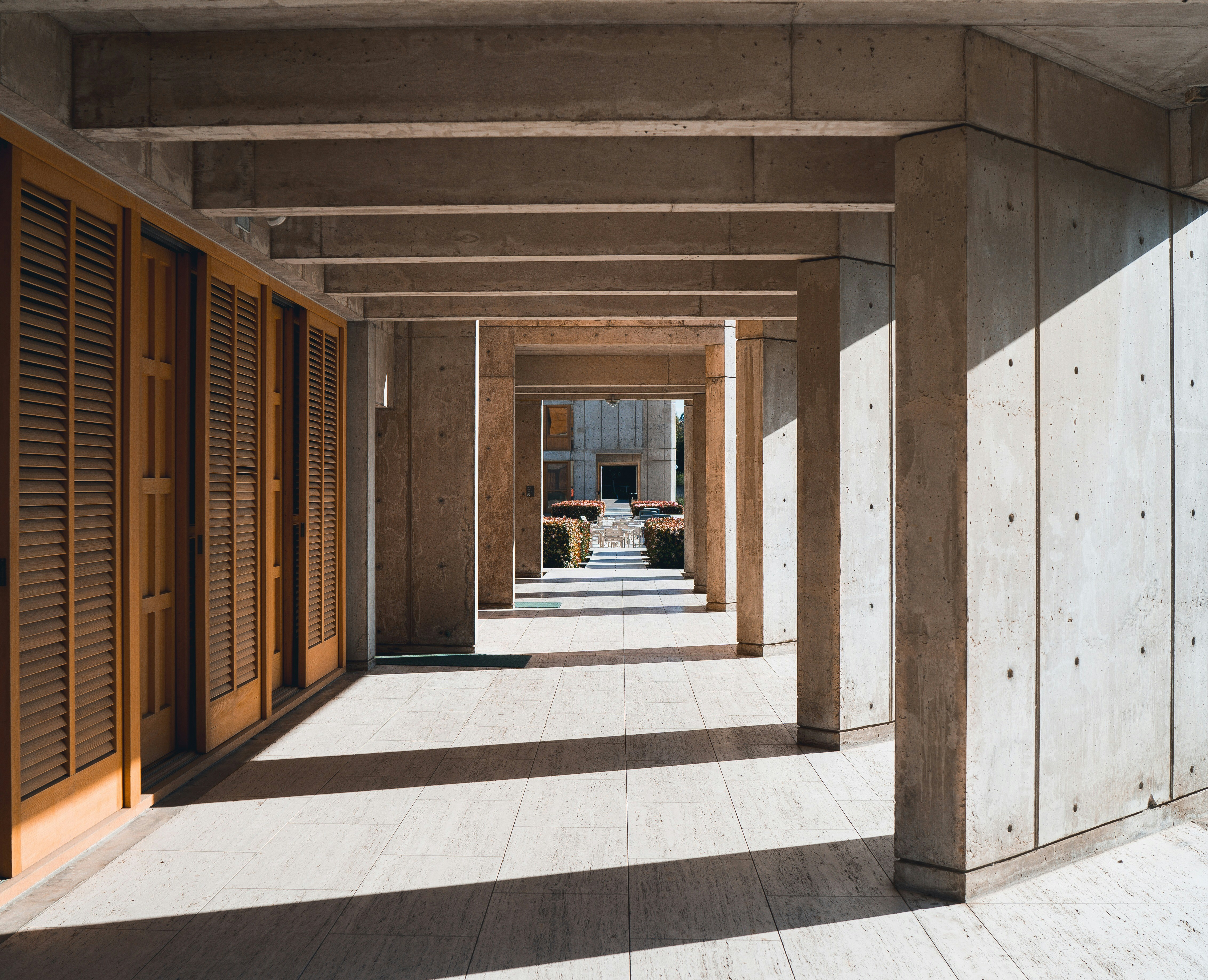
Category
Architecture
Space Planning
Published on
Written by
Ethan Caldwell
Share this article
What makes a courtyard house work
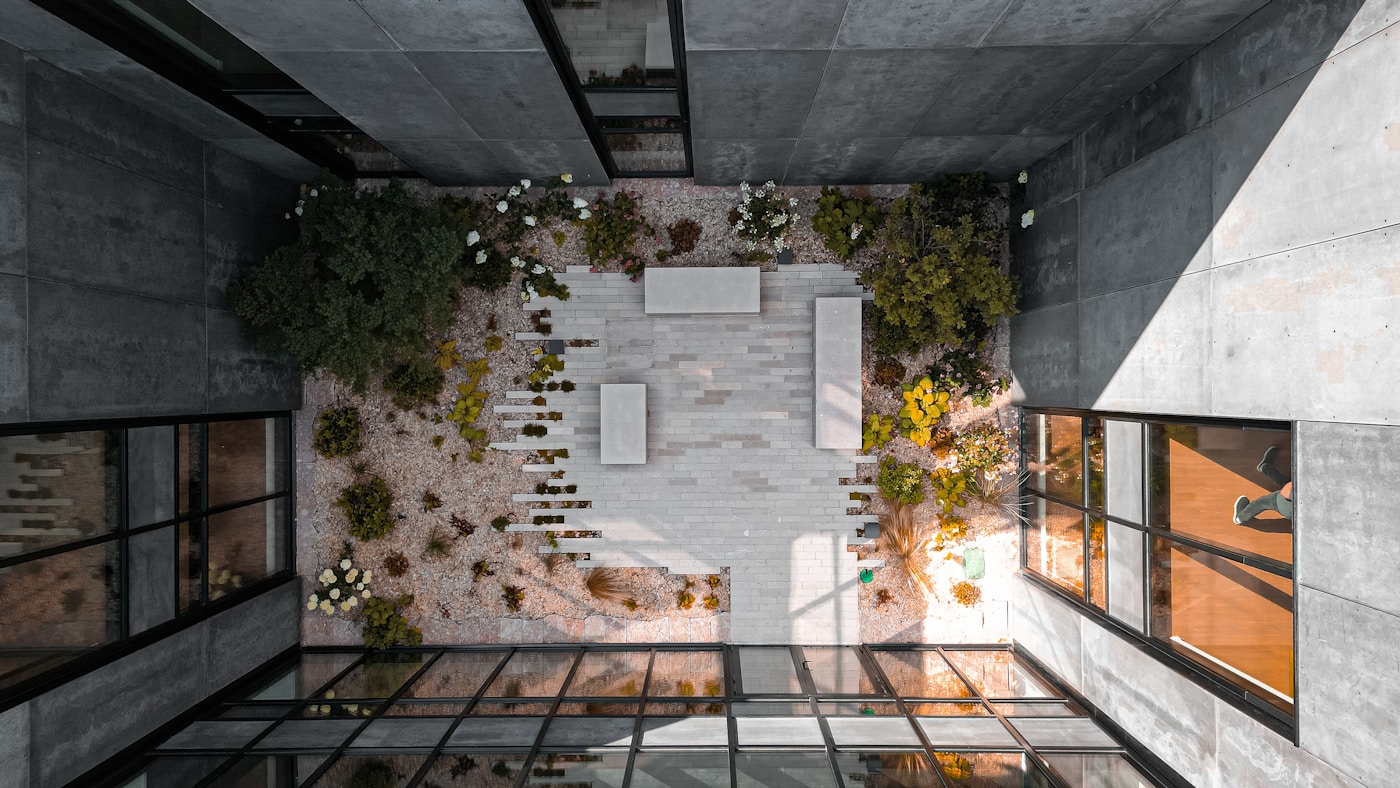
Courtyards can bring privacy, light, ventilation, and a strong center to residential architecture when the plan is handled carefully.
A room without a roof
A courtyard works when it is more than leftover outdoor space. It becomes an organizing center: rooms face it, circulation wraps around it, and light enters from within the plan.
The best courtyards create privacy without isolation. They let a house open inward while staying protected from the street or neighboring buildings.
Scale and proportion
Too narrow, and the courtyard becomes a slot. Too wide, and it loses intimacy. Proportion, planting, thresholds, and shade are what turn it into a living part of the home.
The courtyard as a private horizon
When a home turns inward, the courtyard becomes more than an amenity. It gives the plan a center, gives rooms a shared orientation, and lets the architecture frame weather, planting, and passing time.
Details that make it work
Thresholds that make indoor and outdoor rooms feel connected
Enough width for light to reach lower rooms
Planting that adds privacy without blocking air
Shaded edges for comfort during hotter months
Privacy without withdrawal
A courtyard house should not feel closed off from life. It should feel protected enough that the interior can open more freely.